
Never Charge Hourly and Here’s Why
Introduction: Why This Post Matters to Every Freelancer
If you’re working as a freelance editor or thinking about becoming one, you’ve probably wrestled with the question: How should I charge for my work?
Maybe you don’t know that you should never charge hourly. We’ll explain why.
Perhaps you’ve been told, “Just bill by the hour.” Likely, you’ve seen other editors do that, which could cause anyone to assume it’s the norm.
Here’s the truth: It is unethical, so you should never charge hourly.
Yes, we’re going there. This post isn’t about business hacks or pricing psychology. It’s about protecting your livelihood, your clients, and your integrity. That pricing model might feel safe, but in the long run, it puts everyone at risk, so never charge hourly.
In this article, we’ll explore the following:
- Why hourly billing hurts editors (especially the good ones)
- The ethical issues it creates
- Better, smarter ways to price your work—without guilt, games, or guesswork
We’ll also introduce you to Evil Ed, a cautionary tale of what happens when you follow the wrong advice.
By the end of this post, you’ll understand why the mantra should be loud and clear: Never charge hourly.

Never Charge Hourly in Freelance Work
Hourly pricing didn’t start in the freelance editing world, but it sure made its way here.
Many jobs pay hourly. Examples are assembly lines and similar jobs where a product is created by more than one person and where a worker’s effort and skill do not greatly affect the speed or quality of the production.
The hourly model makes sense for some employees. It usually does not make sense for service providers. The problem is that many freelancers copied the structure, thinking it brought legitimacy or transparency.
But editing isn’t assembly-line work.
It’s nuanced, intellectual, and often nonlinear. Some pages take minutes; others take hours. Some clients need hand-holding; others barely speak.
When you charge hourly, you’re telling your client that the value of your work is tied to how long it takes, and not how good it is. You don’t want to send that message, so never charge hourly.
Another flaw? Clients hate it.
Hourly billing makes clients nervous. They wonder, “How long will this really take?” They fear that they’ll get surprised with a massive invoice. And in some cases, they suspect the editor might . . . well . . . stretch things out a bit.
Unfortunately, they’re often right about both of those things.
Another Reason to Never Charge Hourly: The Illusion of Fairness

At first glance, hourly pricing sounds fair. You work N hours, you get paid X dollars. Simple, right?
But if you’ve ever actually done client work, you know it’s not that neat.
That brings us to the story of Evil Ed.
Origin Story of Evil Ed
Evil Ed hadn’t always been evil. He started out with good intentions, charging hourly because he didn’t know better. But then something happened: he realized he was editing faster than before. He’d spent years mastering his craft, and now, what used to take him five hours was taking just two.
But fast work meant less money. His invoices got smaller even though his quality improved.
Decision Time
So Ed made a quiet, dangerous choice: he started padding his hours.
Not wildly, just a little here and there. Rounding up instead of down. Working a little slower than necessary. Telling clients a manuscript took 40 hours when he did it in 36. In Ed’s mind, he wasn’t cheating. He was just trying to “make a living as an editor.”
But here’s the thing: he was robbing his clients.
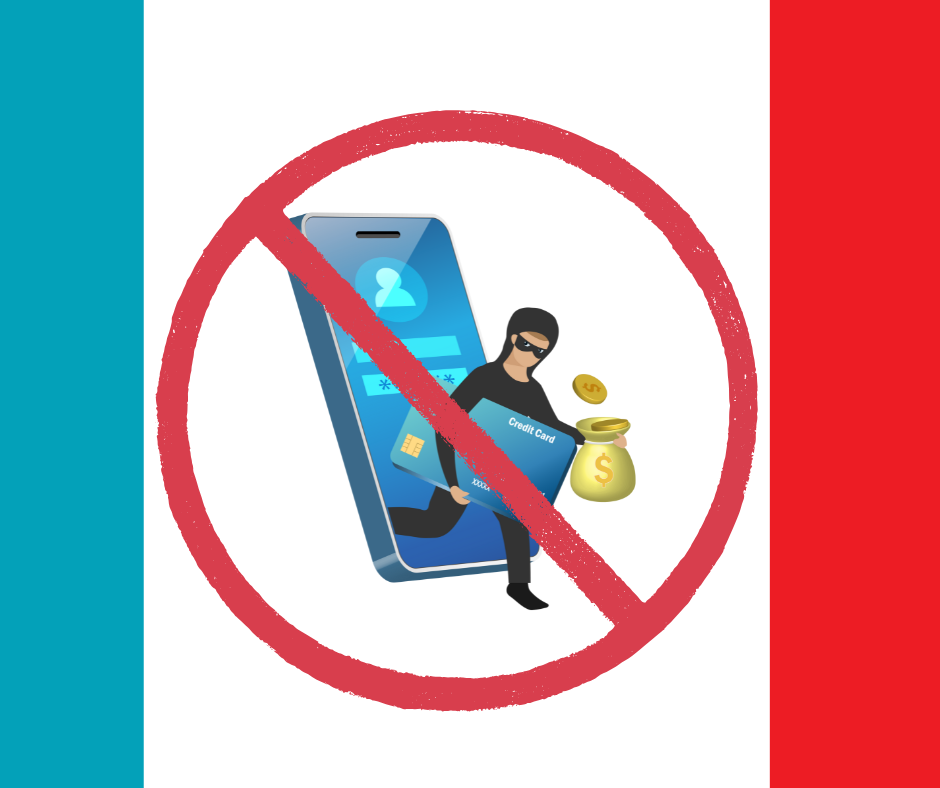
Ed was not billing for the value he delivered. He was billing based on time, and charging for time he didn’t truly spend. His clients didn’t know better, but Ed did.
You should never charge hourly because that way of pricing is a trap. It rewards inefficiency and punishes excellence. Even honest editors are tempted to compromise when they refuse to take the stance of “I never charge hourly.” And it puts clients in the dark, wondering if they’re being taken advantage of.
There’s a better way. It starts with shifting your mindset. You can make a living as an editor without sacrificing integrity.
Project-based or per-word pricing removes the pressure to “stretch the clock” and puts the focus where it belongs: on results, fairness, and transparency.
Why Charging Hourly Is Unethical
Let’s call it what it is: hourly pricing creates a moral gray zone, especially in freelance editing, where time spent isn’t always proportional to value delivered.
The ethical problem lies in the incentives. This is how it is with hourly billing:
- The more time it takes, the more money you make.
- The faster and more efficient you are, the less you earn.
- The client is left hoping you’re honest, while you feel pressure to justify how you spent your time.
This pricing model puts editors and clients in a weird tug-of-war. Clients start clock-watching, wondering, “Did this really take twenty hours?” Meanwhile, editors are tempted—like Evil Ed—to drag their feet just enough to keep income consistent.
That’s no foundation for trust.
It’s especially risky for new editors who are still finding their pace. They worry about charging “too much” and underquote themselves, or they overcharge to compensate for their slower speed. Neither option feels ethical. Neither respects the client or the craft.
Contrast this with per-word or project-based pricing. When you say, “The price for this job is three thousand dollars,” the client knows exactly what they’re paying. There’s no guesswork, no clock anxiety, no temptation to game the system. Instead, we see clear expectations, fair compensation, and a focus on results.
When you build your editing business on transparent, value-based pricing, you build it on integrity. That’s the kind of reputation you want.
Real Value vs. Time Spent – What Clients Actually Want
Here’s what most editors forget: Clients don’t care how long it takes you. They care how good you are.
Think about it. If someone hires you to edit their memoir, they’re not telling themselves, “I sure hope this takes a long time.” They’re musing, “I hope this person makes my book better.”
Clients pay for outcomes. They want these:
- Clear, concise language
- Honest, constructive feedback
- A book that’s easier to read, sell, and feel proud of
None of that is tied to the clock.
In fact, if you price hourly, you introduce friction into the relationship. The client starts second-guessing you. They may wonder if a larger invoice means you didn’t know what you were doing or that you were milking the clock.
When you quote a flat fee or per-word rate for the project, they can relax. They know what they’re paying, and they know what they’re getting.
Expertise isn’t time-based, so never charge hourly.
You’ve spent years honing your editing skills. You’ve read thousands of books, studied voice and tone, and learned Chicago Style. When it takes you two hours to do what once took six, should you earn less?
No!
That’s why charging hourly actively devalues your expertise. Clients aren’t paying for time. They’re paying for transformation. They’re paying for you to take their messy draft and help it become publishable. That has nothing to do with time and everything to do with your talent.
Discouraging Professional Growth
When your income is tied to how long something takes, there’s no incentive to become more efficient. In fact, leveling up your skills poses a financial risk.
Let’s say you do these:
- Invest in editing software that speeds up your workflow.
- Learn macros and keyboard shortcuts.
- Get better at spotting issues on the first pass.
Suddenly, you’re working faster and making less money.
That’s a broken system. It punishes improvement and discourages editors from growing into experts. You have to choose between being good at your craft and making a decent living.
But when you switch to per-word or project-based pricing? Your growth becomes an asset, not a liability. The faster and better you get, the more profit you earn without compromising quality or integrity. That’s how sustainable businesses are built.
Charging hourly caps your income.
There are only so many hours in a day. If your income depends on billing time, you hit a cap quickly. Even if you charge $100/hour (few editors do), you’re still limited by your physical energy and availability.
But with value-based pricing, you create leverage. You can serve more clients—or fewer—for more money. You can breathe.
Hourly pricing keeps you in survival mode. Project-based pricing puts you in control.
How Ethical Pricing Benefits Everyone
Hourly billing is lose–lose. Project-based/value-based pricing and per-word pricing are win–win.
These pricing models do more than solve problems. They elevate the entire editing experience. They honor the value you bring, reduce client anxiety, and create clarity from the very first conversation.
Let’s break down these two models:
First, Flat-Fee Value-Based/Project-Based Pricing
This is the most straightforward model. You quote a flat fee based on the size, scope, and complexity of the project, on the value the client is receiving from you. The client knows exactly what they’ll pay (without having to do any math), and you know exactly what you’ll earn.
Benefits:
- No surprises
- Easy to budget
- Encourages efficiency
- Centers the deliverable, not the process
It works beautifully for any kind of editing, and even for coaching packages. You can still set boundaries (number of revisions, delivery timelines) and charge for add-ons if needed. But the core fee stays firm.
Per-Word Pricing
Some editors believe that it’s too difficult to use per-word pricing, especially for developmental editing or line editing. Those types of editing can result in a substantial reduction or addition in word count from the beginning to end of the project, it’s true, but that doesn’t mean per-word pricing is out.
There is a simple solution. You can do it without the unethical way of pricing. First, repeat the rule: Never charge hourly.
Okay, here’s the three-step solution.
- When you receive the manuscript from the author, make note of the word count, and charge them based on it.
- Do the work.
- When you’re finished editing the piece, make note of the current word count.
If the Word Count Is Lower
What should you do if the word count is lower at the end of your work? Do nothing regarding the pricing. The manuscript did contain the words you charged for, all of those words needed to be handled, and you did that. You deserve to be paid for it.
If the Word Count Is Higher
What should you do if the word count is higher after you edit it than it was before you started?
Determine how much higher it is. One percent? Wave your hand and go have a cup of coffee. Ten percent? Issue an invoice for the added percentage.
You get to determine where your line is: three percent higher, five, ten? If your first thought here is twenty-five percent, consider carefully. That’s a lot of work you’d be doing for free.
Be sure your clients know up front that you never charge hourly and instead this is how you operate, and all will be well.
Why Most Clients Hope You Never Charge Hourly
Let’s step into your client’s shoes for a minute.
They’ve worked hard on their book. It took months or even years. Now they’re ready to hand it over, and they want an editor they can trust. They’re holding their breath, waiting to hear the price of your services.
You tell them, “I charge seventy-five dollars an hour.”
Immediately, their brain floods with questions:
- How many hours will this take?
- Will they work efficiently?
- What if they get stuck or distracted? Do I still pay?
- How will I know what I’m really being charged for?
Even if you’re honest and efficient, your client now feels anxious and unsure. They’ve lost control of the budget and started imagining worst-case scenarios.
Hourly billing introduces uncertainty. That kills trust.
Now imagine that, instead, you say: “Based on your manuscript’s needs and word count, the total fee is five thousand dollars. That includes X, Y, and Z. Here’s what the process looks like.”
The client exhales. They feel respected, informed, and safe.
That emotional shift is priceless. It’s also why flat-rate or per-word pricing doesn’t just help your bank account. It helps your relationships.
Addressing Common Objections
If you’ve relied on hourly billing, switching can feel scary. Let’s tackle some of the biggest fears and myths head-on.
“But what if the client keeps asking for changes?”
This is where setting boundaries with clients comes in.
Every project quote needs a defined scope:
- The number of rounds of revisions
- The fee
- The timeline and deadline
Anything outside that scope? You quote additional fees. Simple, fair, and drama-free.
“What if I undercharge and the project takes way longer?”
You’ll get better at estimating how long things will take you. In the meantime, you eat the loss and consider it business school tuition.
“But clients expect hourly rates!”
Some do. (Only because they’ve seen it so often.) But as soon as you explain why ethical editors never charge hourly and how we do charge, most clients will prefer the right way and be thankful that you saved them from being robbed. I say “most” in case there are exceptions. In my thirty-plus years of doing this, every single client happily agreed after I explained why I never charge hourly.
Try this script:
“Rather than billing hourly, which is unethical and unpredictable for the client, I work on a ____ [flat-rate or per-word] basis, so you know exactly what you’re paying. No surprises—just a clear, respectful partnership.”
That short statement alone can change the conversation and your business.
Setting Fair Rates
There’s a powerful question at the heart of ethical pricing:
“How can I do the right thing, to honor the client’s trust and the value I bring?”
The answer isn’t hourly billing but transparent, fixed pricing that sets expectations from day one.
Transparent packages win every time.
Clients want clarity. You want boundaries. That’s where flat-fee pricing shines. Here’s how it might look:
- Developmental Edit: $8,000 — includes structural feedback, extensive notes, and two rounds of revision.
- Line Edit: $3,500 — includes checking for reading grade level, clarity, and flow.
This kind of structure removes ambiguity and fosters mutual respect. You’re not guessing; the client’s not guessing. Everyone knows what to expect.
A La Carte = Flexibility + Fairness
You can also offer a la carte services:
- Query letter review for $75
- Follow-up coaching calls for $50 each
This lets you maintain flexibility without slipping back into Evil Ed territory.
When you price with intention and integrity, you protect everyone from resentment, miscommunication, and scope creep.
Transitioning From Hourly Billing
So, you’re convinced to never charge hourly. How do you switch your pricing model without alienating your current clients?
Don’t worry. Plenty of editors have done it, and so can you. Here’s how.
Step 1 – Change your mindset.
You need to fully understand:
- Hourly rates devalue your skill.
- Flat/per-word pricing builds trust.
- You’re charging based on value, not time.
When you believe in your new model, you’ll communicate with confidence.
Step 2 – Update your website and inquiry process.
Make your new pricing structure public (or semi-public). For example, “Editing rates begin at $400 per project. Each quote is based on word count, manuscript complexity, and author goals.”
Gather info:
- Genre and word count
- Type of editing needed
- Deadline
This helps you provide accurate quotes without guesswork.
Step 3 – Talk to existing clients (without burning bridges).
You don’t have to ghost clients who are used to hourly. Just be honest.
Try this email:
“Hi, [Client].
I’ve recently updated my pricing model to reflect what I’ve learned about editing ethics—clear, flat-rate fees based on your goals and manuscript needs. This gives you complete clarity from the start and helps me focus 100% on your project instead of the clock.
For your upcoming project, the fee would be $___, which includes ___ and ___. Let me know if you have questions. I’m happy to chat.”
Most clients will appreciate the change. And if someone resists? That’s a signal they may not be your ideal client moving forward.
Real Success Stories
The proof is in the practice. Let’s look at a few anonymized stories of real editors trained through Editors School, who dumped the hourly model and never looked back.
Michelle – From Overworked to Empowered

Michelle is a former middle school teacher who started editing part-time. She charged $30/hour at first, but her income was unpredictable, and she constantly stressed about timing everything “just right.”
During the Editors School course, she vowed to never charge hourly again. She moved to flat-fee pricing with a simple 3-tier package. Within two months, her income stabilized, and so did her confidence.
“Once I stopped tracking minutes and started focusing on outcomes, I felt free. My clients love the clarity, and I love that I’m finally getting paid what I’m worth.”
Jasmine – Life Coach Turned Book Editor

Jasmine had been a life coach for years and started getting requests to shape books her clients wrote. At first, she charged hourly—$45/hour—but soon realized she was losing money by being efficient.
Now she charges $6,000 for manuscript development and coaching. Her clients don’t flinch at the price, because they know they’re getting her full attention and guidance.
Carlos – No More Haggling
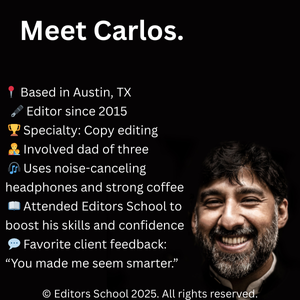
Carlos, a bilingual editor with a marketing background, started editing projects for indie authors part-time. When he charged by the hour, clients often tried to negotiate his time down.
After switching to per-word pricing, his income doubled, and his clients respected the boundaries.
How to Start Charging Ethically
If you’re ready to move away from hourly pricing but feel overwhelmed, start simple. Ethical, value-driven pricing doesn’t require a full rebrand. It just requires a few small steps.
Step 1 – Define your core offer.
Which type of editing do you do? Developmental? Line? Copy? Proofreading?
Build a clear, focused offer around it. Example: “Copy edit of up to 50,000 words delivered in two weeks, includes margin comments and tracked changes: six cents per word.”
Clarity beats complexity every time.
Step 2 – Create a pricing guide or intake form.
Stop writing quotes from scratch. Create a simple Google Form or PDF that walks potential clients through it:
- Word count
- Project type
- Timeline
This makes you look professional and sets expectations early—a big win for trust.
Step 3 – Practice saying your prices aloud.
Seriously. Stand in front of the mirror and say it. For example, “I charge ten cents per word for developmental editing.”
The more you practice, the more confident you’ll feel. Confidence in your pricing is contagious. Clients pick up on it, and they’re more likely to respect your boundaries and book your services.
Take a business training.
If you’re still unsure how to build ethical, scalable pricing systems or want to make sure you’re not missing anything, invest in a course that aligns with your values.
Editors School has helped hundreds of editors drop the hourly grind and build sustainable, transparent businesses that actually feel good. From setting rates to client communication and mindset, it’s a full blueprint for freelancers who care about integrity.
Conclusion
Integrity and impact start with how you price your work.
Ready to never charge hourly again?
Your pricing model isn’t just any business decision. It’s a reflection of your values.
Charging hourly might feel neutral. But it often leads to burnout, resentment, blurred boundaries, and ethical gray areas. It pressures clients. It traps editors. And it fails to honor the real value of the work.
Ethical pricing says some things:
- “I respect my time.”
- “I trust my clients.”
- “I want this relationship to feel clear and fair—for both of us.”
So if you’ve asked, “Is hourly pricing really that bad?” now you know why to never charge hourly.
It’s not just about money. It’s about freedom, professionalism, and doing right by the people you serve.
You don’t need to be Evil Ed. You don’t need to justify how you spend your time. Just step into the kind of pricing that reflects the editor you’re becoming.
You can start today.
5 FAQs on Never Charge Hourly and Here’s Why

1. Why should editors never charge hourly?
Hourly billing often leads to ethical issues, punishes efficiency, and creates anxiety for clients. Editors who charge by the hour may feel pressured to pad time or slow down. Ethical pricing is more transparent, predictable, and fair.
2. What’s wrong with charging by the hour if I’m honest about my time?
Even honest editors are penalized for working faster. The better you get, the less you earn. That creates a disincentive to improve. Per-word/project pricing rewards skill and creates trust between you and your client.
3. How do I set rates as an editor?
Start by defining your service scope (word count, type of edit, turnaround time). Then set a project rate or use a per-word baseline (e.g., $0.05 per word). Courses like those at Editors School can help you calculate rates with confidence.
4. Will I lose clients if I never charge hourly?
You might lose some, but the right clients stay. Those who value clarity and respect your expertise prefer ethical pricing. In the long run, it attracts better clients and leads to a more sustainable business.
5. Is charging hourly ever ethical in editing?
In rare cases (such as ongoing consulting), hourly billing may work. But for manuscript editing, where efficiency and trust are key, project/per-word pricing is almost always the ethical choice.
Call To Action

If you’re ready to build an editing business that’s ethical, empowering, and scalable, you’re in the right place.
At www.editorsschool.com, we help editors like you do things like this:
- Set confident, transparent rates.
- Learn to price based on value, not time.
- Attract the right clients (and say no to the wrong ones).
- Build long-term, trust-filled client relationships.