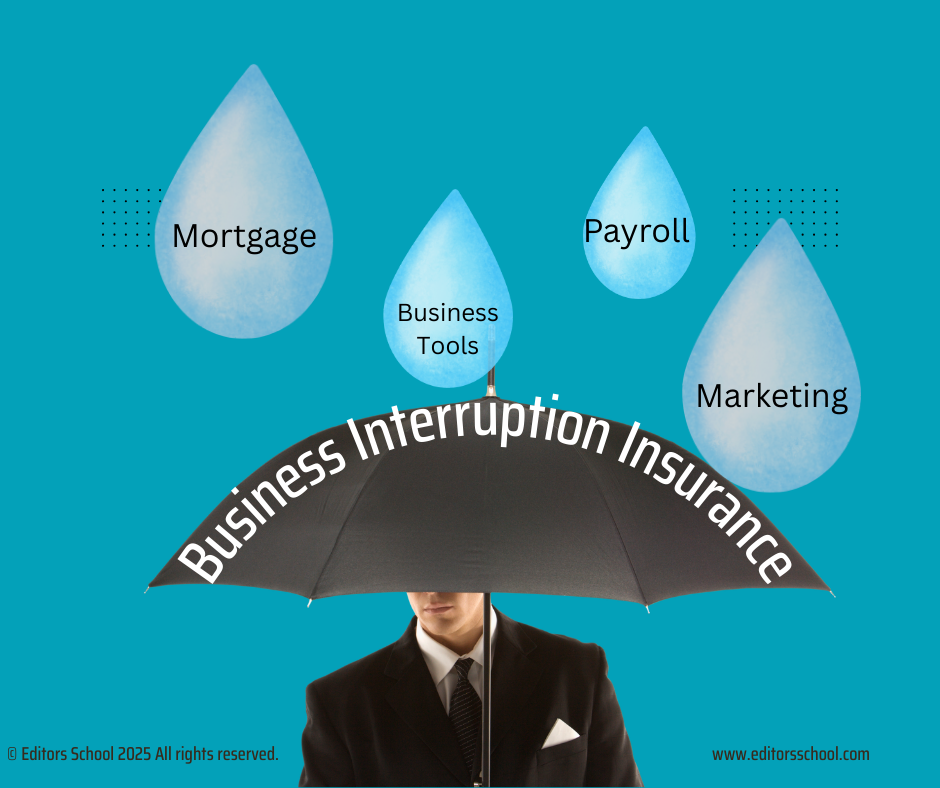
Business Interruption Insurance Gives a Good Edge and Hope
Introduction
Imagine your business facing an unexpected shutdown. How would you cover your expenses without incoming revenue? Business interruption insurance can be the lifeline that keeps your business afloat during disruptions you didn’t see coming.
It’s not just about protecting your income. It’s about preserving hope, stability, and the future you’ve worked so hard to build.
Image Suggestion
Alt Text: “Business owner reviewing insurance documents in a temporarily closed storefront, symbolizing protection during downtime.”
Concept: Safety, recovery, and preparedness—not fear
What Is Business Interruption Insurance?
Business interruption insurance compensates you for lost income and operating expenses when a covered event, such as a fire or storm forces your business to temporarily close.
This coverage helps bridge the gap between disaster and recovery, giving your business a fighting chance to survive and rebuild.
It’s often added to a property insurance policy or included as part of a Business Owner’s Policy (BOP).
What Does Business Interruption Insurance Cover?
Lost Revenue
This covers the income your business would have earned during the closure period and is based on your previous financial records. If you don’t keep good records, start now.
Fixed Operating Expenses
Pays for ongoing expenses like rent, utilities, loan payments, and lease agreements—even while your doors are closed.
Payroll
Keeps your team together by covering employee wages while operations are paused.
Relocation Costs
Helps cover moving expenses if you need to temporarily relocate your business while repairs are underway.
Extra Expenses
Covers additional costs you incur to minimize downtime, such as renting temporary equipment or setting up a short-term workspace.
What Business Interruption Insurance Does Not Cover
It’s important to know what’s not included:
- Floods and earthquakes (usually require separate policies)
- Pandemics or widespread health crises (most policies exclude COVID-19-like events)
- Non-physical damage losses (like reputational harm or lost future market share)
Always read your policy carefully and ask questions before signing.
Who Needs Business Interruption Insurance?
This coverage isn’t just for big corporations—it’s essential for many small businesses, especially if:
- You rely on a physical location (offices, stores, studios, cafes)
- You have significant equipment or inventory at risk
- You can’t easily replace lost income through remote work
- You want financial breathing room during an emergency
If downtime could seriously hurt your cash flow, you need business interruption protection.
How Much Does Business Interruption Insurance Cost?
Costs vary depending on:
- Business size
- Industry risk
- Location
- Revenue history
Typical range for small businesses:
- $500–$3,000 annually (often bundled into a Business Owner’s Policy)
The cost is small compared to the financial devastation even a short closure can cause.
Tips for Choosing the Right Policy
- Evaluate realistic risks: Understand what events are most likely to affect your area and industry.
- Pay attention to waiting periods: Some policies have a 48–72 hour waiting period before coverage begins.
- Know your coverage limits: Ensure the maximum payout is enough to support your business during recovery.
- Bundle smartly: Combining property insurance and interruption coverage in a BOP can save money.
- Work with a specialist: Find an agent familiar with small businesses and freelancers for tailored advice.
Conclusion
Business interruption insurance isn’t just about avoiding disaster—it’s about giving your business an edge and a real chance to recover when life throws the unexpected at you.
Hope, security, and resilience aren’t luxuries—they’re part of smart business planning. Protect what you’ve built so you can rebuild stronger, no matter what comes next.
TL;DR:
Business interruption insurance protects your business income and operating expenses during unexpected closures, giving you time, hope, and a real path to recovery.
FAQ
Q: Is business interruption insurance included in my standard property insurance?
A: Not always. It’s often an add-on or included in a bundled Business Owner’s Policy (BOP).
Q: How long does business interruption coverage last?
A: Coverage typically continues until your business resumes normal operations or until the policy’s maximum time limit is reached—often 12 months.
Q: Can home-based businesses get business interruption insurance?
A: Yes, especially if your home business has significant revenue, inventory, or equipment at risk.
Q: Does business interruption insurance cover supply chain problems?
A: Only if your policy includes “contingent business interruption” coverage. Otherwise, supply chain issues are typically excluded.
Q: How do I figure out how much coverage I need?
A: Review your business’s average monthly revenue and expenses, then work with your insurer to select coverage limits that could sustain you during a temporary closure.
Call to Action
Safeguard your business’s future with confidence.
Explore how business interruption insurance can give you the edge, protection, and hope you need to weather unexpected challenges.